
Bathroom Remodeling
Bathrooms Built for Daily Use and Long-Term Value
Bathroom Remodeling in Lansing for outdated fixtures, poor storage layouts, and water-damaged surfaces
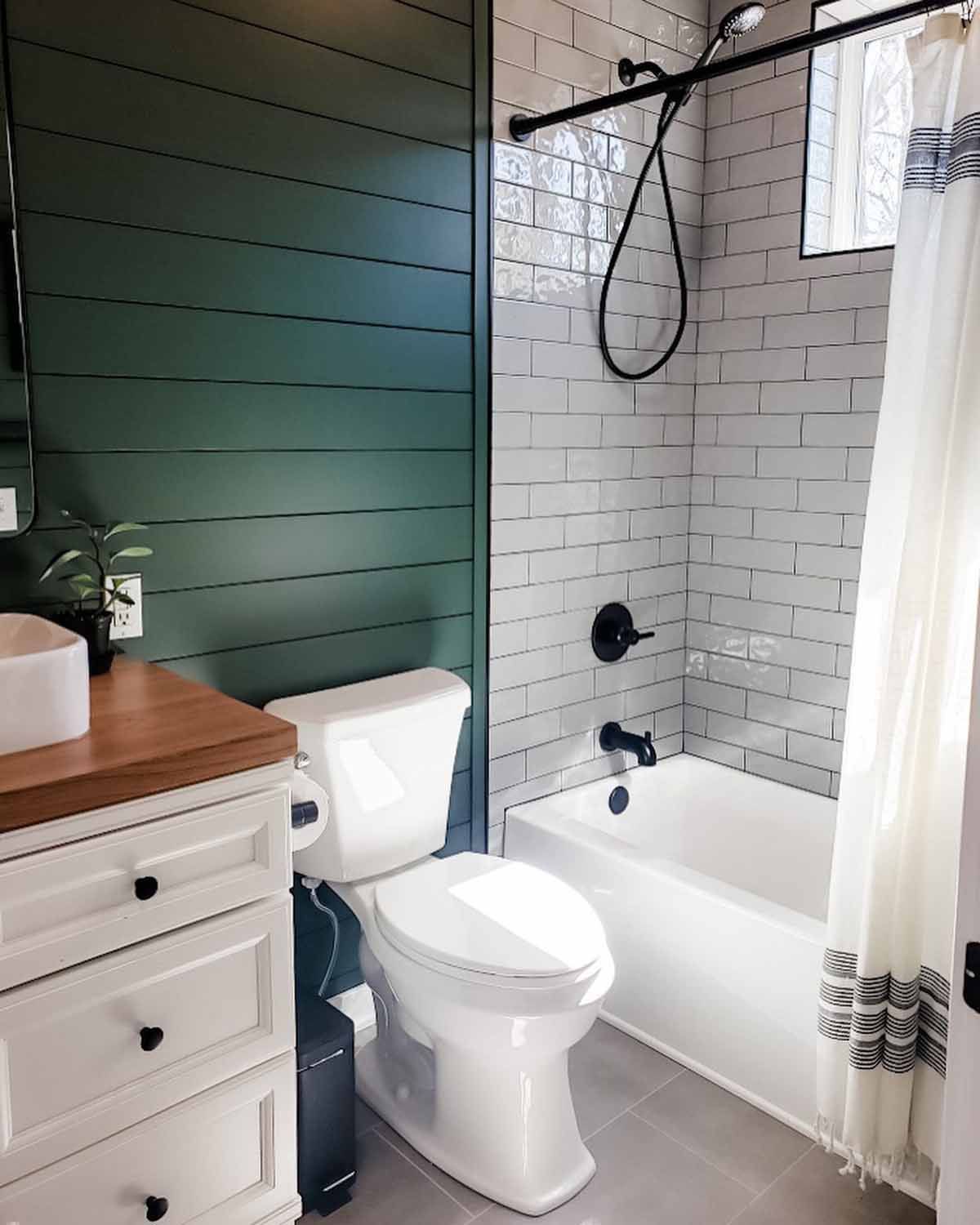
MK Builders handles bathroom remodeling in Lansing with attention to how fixtures hold up under daily use, how water moves through the space, and how storage integrates with plumbing and electrical systems. You work with a remodel when cabinet doors swell from moisture, when grout stays damp long after showers, or when counter space doesn't accommodate what you actually use each morning. The remodel addresses underlying moisture management, structural soundness behind tile and drywall, and fixture placement that matches how your household functions.
Bathroom remodeling involves removing failing materials down to studs and subfloor when necessary, verifying proper ventilation capacity for the room's cubic footage, installing moisture-resistant underlayment before tile or vinyl, and positioning fixtures so plumbing runs don't create future access problems. In Lansing's climate, condensation management becomes critical during cold months when temperature differences between heated interiors and exterior walls create persistent moisture on windows and poorly insulated surfaces.
Schedule a walkthrough to evaluate existing plumbing condition and discuss layout options that fit your space.
What Proper Bathroom Remodeling Requires
The remodel starts with assessing subfloor integrity, since water damage often extends beyond what's visible at floor level. Contractors remove old flooring and check joists for soft spots, then install cement board or other approved underlayment that won't deteriorate if moisture breaches surface materials. Proper tile work includes sloping shower floors toward drains at the correct pitch and waterproofing seams before any finish material goes in.
After completion, you notice cabinet doors that close squarely without sticking, tile grout that dries thoroughly between uses, mirrors that don't fog excessively because ventilation matches room size, and faucets that deliver consistent pressure without rattling pipes inside walls. Counters provide clearance around sinks for toiletries without crowding, and lighting reaches task areas without creating shadows where you need visibility. Storage integrates with existing plumbing chases rather than forcing you to work around awkward protrusions.
Material selection affects long-term maintenance requirements, with porcelain tile offering different durability and slip resistance compared to natural stone, and quartz counters responding differently to heat and impact than laminate or solid surface options. Fixture quality determines whether cartridges and seals remain available for future repairs or whether entire assemblies require replacement when components fail.
Questions Property Owners Ask About Bathroom Work
Remodeling projects in Lansing typically raise questions about how long existing plumbing will remain accessible, what updated codes require, and how material choices affect daily cleaning and long-term wear.
What determines whether plumbing needs replacement during a remodel?
If existing supply lines are galvanized steel or show corrosion at shutoff valves, replacement prevents future leaks inside finished walls. Drain lines get replaced when cast iron shows rust perforation or when ABS plastic has cracked from stress.
How does ventilation sizing affect moisture problems after the remodel?
Fan capacity must match bathroom volume, typically requiring 50 CFM for standard bathrooms and higher rates for larger spaces or those without operable windows. Undersized fans leave moisture on surfaces even when running continuously.
What spacing requirements affect fixture placement?
Toilets require minimum clearance from side walls and front obstructions per code, typically 15 inches from centerline to any wall and 30 inches of front clearance. Shower valves must be positioned so controls remain accessible without entering the water stream.
When should tile extend beyond the shower area?
Extending tile across the full bathroom floor rather than stopping at the shower threshold eliminates transition strips that trap water and creates uniform maintenance across the space. This approach works best when subfloor preparation accounts for the entire room.
What affects how quickly surfaces dry after daily use?
Grout joint width, tile finish texture, and ventilation airflow all determine drying time. Narrow grout joints with epoxy grout dry faster than wide joints with standard cement grout, and matte tile finishes hold less surface water than high-gloss alternatives.
MK Builders completes bathroom remodels with attention to how materials respond to Lansing's humidity fluctuations and temperature swings. Arrange a consultation to review your current bathroom's limitations and discuss remodel options that address both function and durability.